Answer
RUDDER Checks
• WE SHOULD OBSERVE THAT NO WATER SHOULD BE COMING OUT OF THE RUDDER. ITS A VISUAL
INSPECTION TO CHCK THE INTEGRITY OF THE RUDDER AND NOT THE FINAL CHCK.
• RUDDERS TOP AND BOTTOM PLUGS ARE REMOVED TO FIND IS ANY WATER COMES OUT OF IT.
• HAMMER RUDDER PLATES AND CHCK SOUND AND CONDITION OF RUDDER PLATES.
• G AUGING OF PLATES SHOULD BE CARRIED OUT IN VESSELS MORE THAN 5 YEARS OLD.
• CHCK THE CONDITION OF ZINC BLOCKS.
• RUDDER IS MOVED AMID SHIP AND SEE ACTUAL POSITION OF RUDDER W.R.T SHIP. THIS WILL HELP TO
IDENTIFY TWISTING OF RUDDER STOCK.
• PINTLE CLEARANCE TO CHCK.
• JUMPING CLEARANCE TO BE CHCKED.
• WEARDOWN AND RUDDER DROP TO BE CHCKED.
• VISUAL INSPECTION FOR RUDDER CORRoSION, PITTING, CRACKS ETC.
• Coupling BETWEEN RUDDER AND RUDDER STOCK CEMENT TO BE CHCKED, CHIP OFF THE CEMENT AND
CHCK CONDITION OF PALM BOLTS.
• RUDDER PRESSURE TSTING HAS TO BE CARRIED OUT..
PROPELLER CHECKS
• General Condition: Inspect the overall condition of the Propeller. Look for visible damage such as cracks,
dents, and corrosion..
• Blades: Check each blade for signs of wear, cavitation, and erosion. Measure blade thickness if necessary.
• Hub: Examine the hub for cracks and any signs of water ingress.
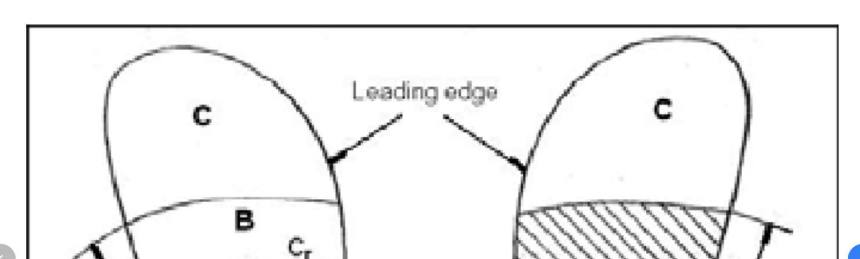
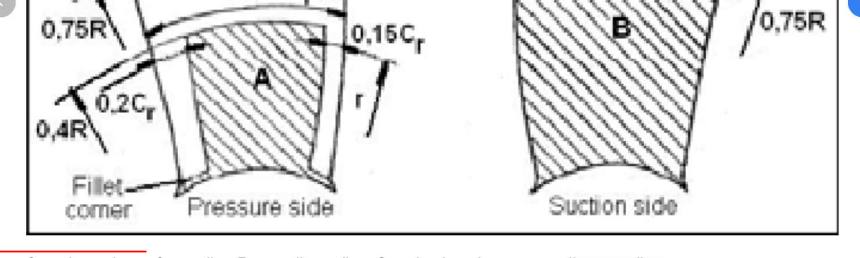
| Propeller is divided into 3 parts | A,B,C |
| MAXIMUM STRESS A>B>C | |
| THICKNESS A>B>C |
3. Measurement Checks
Measurement of wear down
Propeller nut and Propeller shaft threaded end;
Cone, key and key way (keyed shafts), including examination by an efficient crack detection method of the after end of the cylindrical part of the shaft and one-third of the length of the ta aper from the big end;
Where Propeller is fitted by a solid flanged coupling at the after end of the shaft t, non-destructive examination of the flange fillet area of the shaft;
Propeller shaft bearing areas;
Stern bushes/bearings;
Shaft sealing arrangements, including lubricating oil system.
Blade Pitch: Measure the pitch of each blade to ensure they are consistent and within design
specifications.
Diameter: Measure the diameter of the Propeller to check for uniformity and ens sure it matches the original specifications.