Answer
The IMO Net-Zero Framework is the proposed mid-term GHG reduction measure under a proposed new Chapter 5 of MARPOL Annex VI. It combines a technical measure—a mandatory GHG Fuel Intensity standard based on well-to-wake emissions—with an economic GHG pricing mechanism. Ships performing above the permitted GFI could require remedial units, while low-emission ships could generate surplus units. The framework was approved at MEPC 83 in April 2025, but formal adoption was postponed in October 2025 and is due for reconsideration in October 2026.”
The IMO Net-Zero Framework is a binding set of global regulations adopted under MARPOL Annex VI to achieve net-zero greenhouse gas (GHG) emissions from international shipping by or around 2050. It applies primarily to ships of 5,000 GT and above.
The framework combines two core measures:
- Global Fuel Standard (Technical Measure): Mandates a phased reduction in the Well-to-Wake (WtW) GHG fuel intensity (gCO2 eq/MJ), forcing the transition from fossil fuels to zero/near-zero emission fuels.
GFI essentially means:
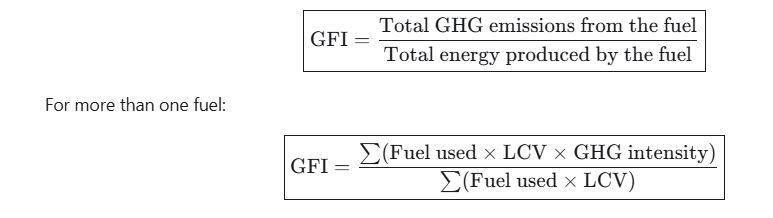
The important point is that emissions are assessed on a: Well-to-Wake basis
Therefore it considers emissions associated with:
- production of fuel
- processing
- transportation
- bunkering
- combustion/use onboard.
This makes it broader than simply measuring CO₂ coming from the funnel.
- Maritime GHG Pricing Mechanism (Economic Measure): Establishes a fee per ton of GHG emitted above baseline targets to generate funds (IMO Net-Zero Fund) that reward zero-emission fuel adoption and assist developing nations.
Compliance could be achieved through mechanisms such as:
- transferring surplus units from compliant ships;
- using previously banked surplus units;
- purchasing remedial units through contributions to the proposed IMO Net-Zero Fund.
Ships using very-low/zero-GHG technologies could potentially earn surplus units or financial rewards.
Two GFI targets: The proposed framework has two levels:
- Base Target: Minimum required GFI reduction.
- Direct Compliance Target: A more stringent level.
A ship performing better than the direct compliance target could potentially generate: Surplus Units
IMO Net-Zero Fund
Payments associated with deficit emissions would contribute to the proposed:
IMO Net-Zero Fund
The fund is intended to support:
- zero/near-zero GHG fuels;
- new technologies;
- research;
- infrastructure;
- training;
- technology transfer;
- developing countries;
- vulnerable States.