Answer
A – Element 10- Maintenance of the Ship and Equipment.
10.1-
1. Proper watchkeeping routines, emphasis on safety rounds.
2. PMS is formed by Class, Company, regulatory requirements considering recommendations from equipment manufacturers, is Class Approved.
3. Adherence to PMS for maintenance of equipment, ensuring all PMS routines are as per maker’s recommendation, Company’s requirements and all equipment are diligently entered into the PMS.
4. Status of Defect list- If too many items outstanding in the Defect List, they should be approached with mutual understanding with the technical deptt. Maybe requirement of spares / workshop or time& place to carry out such repairs etc.
10.2-
1. Company Audits/ Suptd Inspections are done regularly.
2. Record of technical N Cs and their closure status including knowledge of Corrective actions taken to close such N Cs.
3. Class Survey Status and Quarterly Class listing.
10.3-
1. Critical items are well identified as per Company SMS. Method of identification of Critical items should be mentioned.
2. Procurement of Critical spares and maintaining Critical Spare Part List. Requisition status of pending spares. 3. Using FMEA and FMECA techniques onboard.
4. Regular testing of critical equipment, which are not in continuous use and their standby arrangements. E.g- Emcy Fire pp, Emcy gen, Batteries etc.
10.4-
PMS should include PMS items for such testing and periodic inspections with detailed job description.
FMEA- Failure Mode and Effect Analysis-
This is a design tool that aims to analyze modes of failure of equipment or a system in the design stage. It follows bottom to top approach that means it thinks about consequences of the failure first and then analyzes backwards, the Cntrls that should be in place to avoid occurrence of such failure leading to the consequences initially taken into account.
It is proactive approach to identify possible failure modes of an equipment or system which could result in unintended and potentially harmful consequences.
Hence the risks or failure modes are anticipated and personnel involved in routine operation are aware of possible failures and associated contingency plan that may be required.
Steps to carry out FMEA are-
1.Collection of data
2.Work by a team of experts
3.Selection of components
4.Identification of the function of components
5.Identification of the kind of failure that occurs in components 6.Local effects due to failure
7.Effects on the entire system
8.Method of protecting the system from failure.
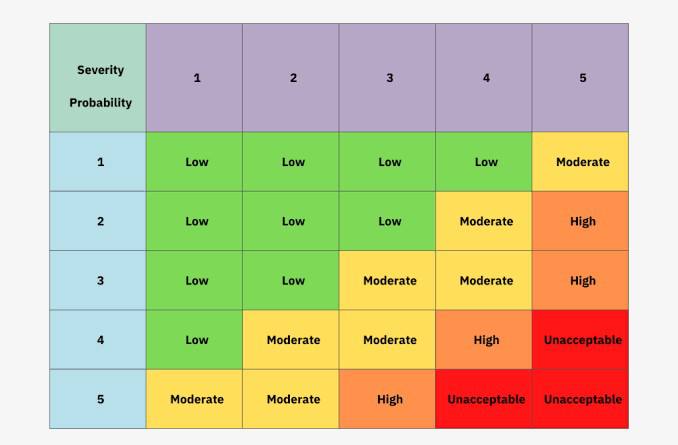
FMECA- Failure Mode Effects and Criticality Analysis- This is an analysis method wherein Criticality Analysis for a quantitative assessment is performed taking the effect of the failure mode on the system as the failure grade, in addition to the FMEA. With reg ard to the failure mode of components, the system and the effects on safety of persons are assessed and quantified. Failure modes are ranked by Criticality.
Usually If the risk Score is above 250, it is considered to be Critical Item.
Two Common Methods are –
1.RPN (Risk priority number) = Severity x Occurrence x Detection
Severity – Consequences on human life, Environment, Property and cost of repair and cost of bringing back to service.
Occurrence – Chances of equipment failure. Depends on location- on open Deck chances of failure are more compare to E/R, continuous m/c failure chances are more than stby m/c.
Detection – Rate of Likelihood of prior detection for each failure
2.Criticality Analysis
Mode Criticality = Item unreliability x mode ratio of Unreliability x probability of loss
- Define Reliability/ unreliability for each item at a given operating time
- Identify the portion of item’s unreliability that can be attributed to each potential failure mode
- Rate of Probability of Loss that can result from each failure mode that may occur
Item Criticality = ∑Mode Criticalities
For example- Designing of ME Fuel system. Initially we kept only one supply and circulating pumps and checked the system for modes of failure and the severity, if it fails. Then it was decided to keep both pumps 2 in no. each so that failure of either pump doesn’t stop the whole system.